
Why DeAI
The thesis for decentralised AI: sovereignty, freedom, and why it matters.
DeAI, or decentralised AI, is AI infrastructure that no single company controls: compute, models, data and inference run on open networks. Start with what counts as DeAI, and the three tests we use to separate it from tokens that added "AI" to the tagline.
The AI Agent Landscape: What Actually Helps, and What's Just a Token
An agent is a stack you assemble: the infrastructure it runs on, the way it pays, and the runtime and tools on top. The agent-token category grades poorly, but the useful private agents now ship inside other projects, Venice's agentic chat the standout.

What Is DePIN? The Infrastructure Layer Beneath Decentralised AI
DePIN turns idle hardware into coordinated infrastructure using token incentives. It is the physical layer that makes decentralised AI possible. Here is what it actually means, how it connects to AI, and where the gaps are.

Why Self-Host Your AI? The Honest Case for Local Inference
Self-hosted AI on a Mac Studio M4 Max: dense models failed, then MoE on MLX hit 94 tok/s. What local inference handles and what still needs APIs.
Training Without a Data Centre
Decentralised AI training was supposed to be impossible. A 30,000x bandwidth gap said so. Then a Bittensor subnet trained a 72 billion parameter model over commodity internet. Here's what changed.

The Agent Commerce Stack: Standards Are Ready, the Economy Isn't
Three Ethereum standards cover payments, identity, and escrow for autonomous agents. The specs are live, the first mainnet jobs are running, and the Linux Foundation now stewards the payment rail. The transaction counts are enormous and the dollars behind them are tiny.

When AI Agents Hold Wallets: The Economic Layer We're Missing
AI agents can think, write, and code. But they cannot pay for anything. The infrastructure to change that is shipping, and the gap between what is real and what is narrative is worth understanding.
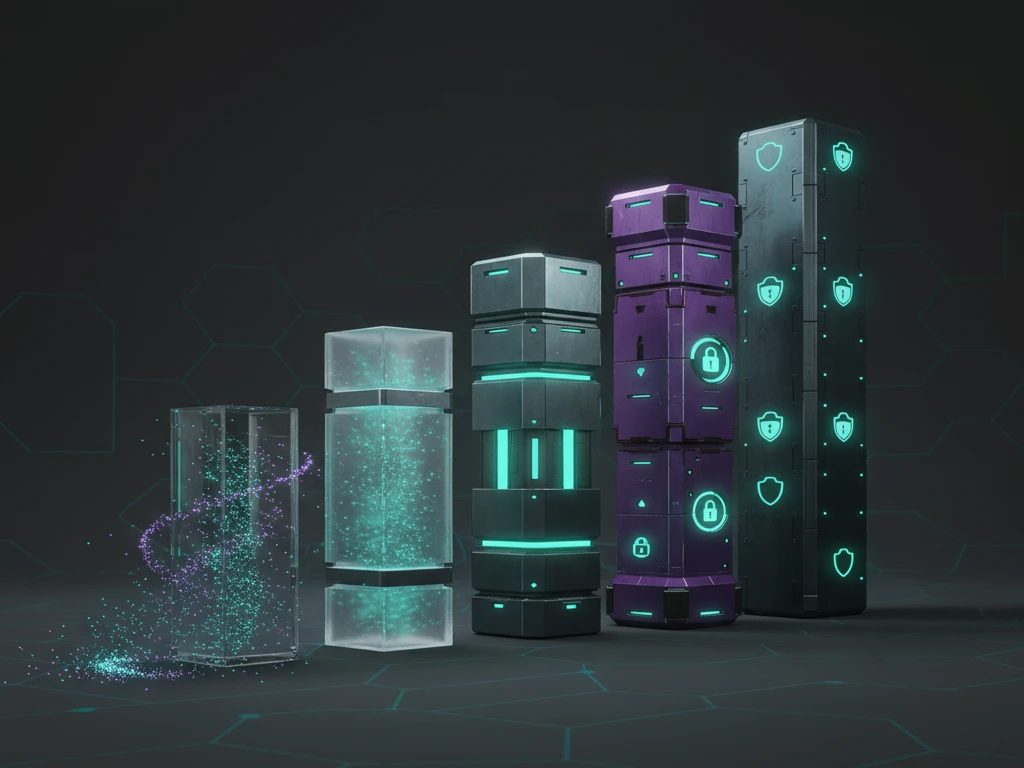
Private AI Inference: Who Else Sees Your Prompt?
Private AI inference means nobody but you can read your prompt while the model runs. The five levels, from plaintext logging to TEEs and local models.

How DeAI Actually Competes
DeAI won't beat OpenAI at frontier models. The edge is coordination, specialisation, and economics. Not ideology: game theory and market structure.

The Sovereignty Stack
AI sovereignty isn't theoretical. You can build it today. Here's what actually works, and what doesn't.

Why Crypto + AI Converge
The question isn't whether crypto and AI converge. It's whether tokens add structural value or serve as optional wrappers.

Privacy Is the Killer App for Decentralised AI
Every prompt you send to OpenAI is training data. Every query to Claude is logged. Privacy is not a nice-to-have. It is the reason decentralised AI matters beyond ideology.

What Is DeAI? What Counts as Decentralised AI
DeAI is AI infrastructure no single company controls. What decentralised AI means, and three tests to tell it from tokens that just added 'AI'.

Centralised AI vs Decentralised AI
An honest comparison. What centralised does better today, where decentralised wins, and where the gap is closing. No ideology, just hands-on observations.

Sovereign AI: What It Is and Why It Matters
What is sovereign AI? The national meaning, the individual one, how it differs from private AI, and why the window to build it is closing.